

For years, Bangalore’s real estate narrative was dominated by the East and North corridors: IT parks along the Outer Ring Road, tech hubs in Whitefield, and aviation-led growth around Devanahalli captured most of the commercial leasing and high-yield investment headlines. Meanwhile, the southern belt: JP Nagar, Banashankari, Kanakapura Road, Uttarahalli, Anjanapura, and the NICE Road corridor remained highly prized, yet primarily seen as a stable, end-user residential market.
That dynamic is undergoing a fundamental structural shift.
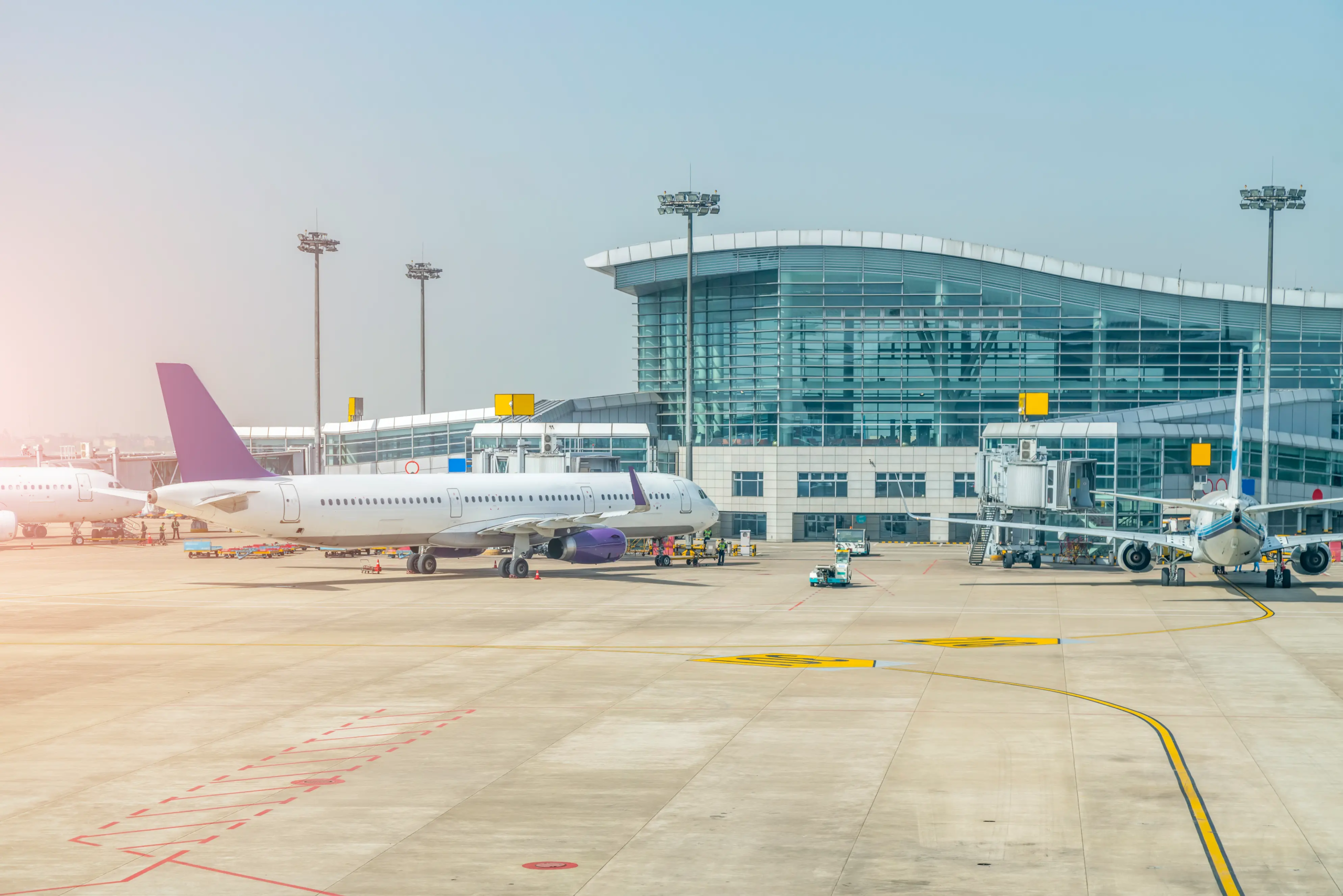
The Karnataka government’s formal push for a second international airport, with shortlisted sites along the southern Kanakapura Road corridor, has catapulted this part of the city into the center of the next major infrastructure-led expansion. For prospective homebuyers, seasoned investors, and developers, this transformation represents far more than an aviation upgrade; it signals long-term land appreciation, enhanced multi-modal transit connectivity, and a broader shift in where capital is flowing across South India’s premier tech capital.
Why the City Needs a Second International Airport
With passenger traffic at Kempegowda International Airport (KIA) exceeding 44 million annually and closing in on its design capacity of 50-55 million, a second airport is no longer a speculative idea; it is an economic imperative. At the current 8-10% annual growth pace, the existing facility has roughly a decade of runway before congestion becomes a real constraint.
The city’s status as India’s leading technology hub, paired with rapid expansions in aerospace, global capability centers, and startups, demands robust air connectivity across multiple quadrants. Historically, major aviation projects catalyze residential and commercial expansion, and comparable Indian airport corridors bear this out:
Commercial & Hospitality Spurt: Airports trigger immediate demand for business hotels, retail hubs, and Grade-A office parks. Rental Yield Acceleration: Enhanced transit accessibility expands the catchment area for migrating professionals, driving sustained rental demand. Capital Appreciation: Micro-markets positioned along airport transit corridors have historically outperformed citywide real estate appreciation averages by a meaningful margin over 7-10 year investment horizons.
Why South Bangalore Is Uniquely Positioned for Growth
Unlike the northern or eastern sectors, which faced rapid, high-density commercial saturation, this southern stretch brings a distinct advantage: unmatched liveability paired with scalable land bank potential.
Superior Social Infrastructure Meets Available Land
Kanakapura Road and Anjanapura offer a rare equilibrium: decades of established social infrastructure, top-tier schools, super-specialty hospitals, cultural centers, sprawling green cover; alongside sizable, still-available land parcels. Developers here can build master-planned townships and low-density gated communities, an option that has largely disappeared closer to the city center.
Multi-Modal Transit Synergy
The proposed southern hub doesn’t exist in isolation; it converges with existing and upcoming transit networks:
Namma Metro Expansion: Extended Green Line routes bring peripheral southern pockets within seamless commuting distance of central business districts. NICE Road Expressway: Acts as an orbital arterial spine, linking Kanakapura Road directly to Electronic City, Mysuru Road, and key industrial belts.
What the Numbers Actually Show
Plotted developments along Kanakapura Road have moved from roughly Rs 4,000-4,500 per sq ft five years ago to Rs 6,500-7,500 per sq ft today, a jump of nearly 60-70%, even before the airport announcement was finalized. Comparable corridors near Devanahalli saw similar or steeper real estate appreciation after KIA’s own expansion was announced, with some pockets doubling in value within seven years. Analysts tracking the southern corridor expect the same pattern here: a 2-3 year “quiet phase” of land assembly and approvals, followed by a steeper climb once construction visibly begins. For investors with a 7-to-10-year horizon, that timing gap is where the early-mover advantage typically gets made.
Evolving Buyer Preferences: The Rise of Plotted & Mixed-Use Communities
Post-pandemic buyer behavior has permanently recalibrated what counts as a premium property. High-net-worth investors and modern families are increasingly prioritizing land ownership, private spaces, and integrated lifestyle environments over dense high-rise living.
Plotted Developments: Plotted land along the southern peripheral corridors is seeing renewed demand, offering buyers entry-level flexibility alongside long-term land value appreciation. Transit-Oriented & Mixed-Use Projects: Developments along the Kanakapura Road belt are moving toward self-contained ecosystems where apartments, retail, and workspaces co-exist within walking distance.
Navigating the Growth Curve: The Coldwell Banker Advantage
While macro infrastructure announcements create substantial market momentum, savvy investors know that returns depend heavily on micro-market selection, legal due diligence, and timing; not every land parcel will appreciate at the same rate.
Working with a certified real estate agency in Bangalore gives buyers and developers a distinct competitive edge. As a premier global agency, Coldwell Banker South India blends world-class advisory standards with street-level market intelligence built from years of tracking these exact corridors. Partnering with the best real estate agents in Bangalore ensures your investments are backed by rigorous title verification and precise valuation data, rather than momentum alone.
Whether you need experienced property agents to guide your residential search or a dedicated agency team to evaluate high-yield land parcels, our local experts can help you capitalize on this corridor’s transformation early.



Join The Discussion